Window care & common questions
Why do my windows get condensation, and do they need replacing?
Does condensation mean my windows need replacing?
Check where the moisture is before deciding whether to replace the window.
- Inside, on the room-facing glass. If you can wipe it away from indoors, check moisture sources and ventilation first.
- Outside, on the outer glass. This can happen even on new double glazing. If it clears as the glass warms, it is usually harmless.
- Between the panes. Mist you cannot wipe from either surface often points to a failed seal. Ask a glazier to check the sealed unit and frame before deciding what needs replacing.
Start with a dry cloth on the room-facing glass. Only check the outside surface if you can reach it safely. If the mist is between the panes, check whether the glazing is still under guarantee.
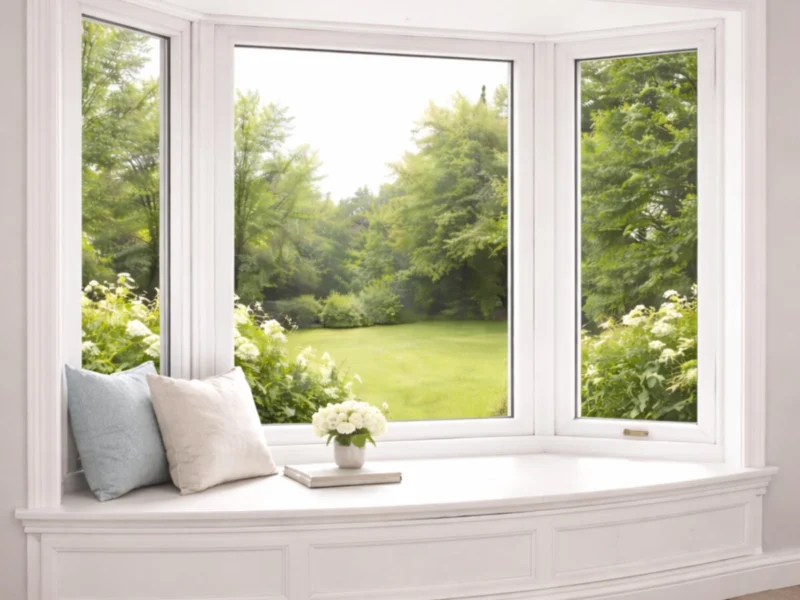
Where is the condensation on your windows?
| Where you see moisture | What it usually means | A useful next step |
|---|---|---|
| On the room-facing surface | Moist indoor air is meeting cold glass. | Review moisture sources, ventilation and room temperature. |
| On the outside surface | Outdoor moisture is condensing on the cooler outer pane. | Check whether it clears as conditions change. |
| Between the panes of a sealed unit | Moisture has entered the sealed glazing cavity. | Arrange an inspection and check any existing guarantee. |
These distinctions apply to sealed double or triple glazing. A separate secondary window fitted behind an original window has a different construction and needs its own assessment.
Why does condensation form on the inside of windows?
Condensation forms when moisture in the air meets a surface cold enough for that moisture to turn into water droplets.
Cooking, showering, drying washing and simply breathing all add moisture indoors. If that moisture cannot escape, it can collect on cold glass and other surfaces.
The window may be where you notice the problem first, but three factors work together:
- Moisture levels. More water vapour from cooking, showering or drying clothes gives condensation more opportunity to form.
- Ventilation. Extractor fans and background ventilation help remove moist air. If moisture builds up in a closed room, it is more likely to collect on cold surfaces.
- Heating and glass temperature. Colder glass is more likely to reach the temperature at which moisture turns into droplets. Heating can help keep surfaces warmer, but it does not remove the moisture, so ventilation still matters.
What can you do to reduce indoor condensation?
Start with a few practical checks:
- Use extraction when moisture is being produced. Run bathroom extractors and externally vented cooker hoods during use and afterwards, following the equipment’s instructions.
- Keep background ventilation clear. Check that trickle vents and other intended ventilation openings are unobstructed.
- Ventilate when drying washing indoors. Give the moisture a route out rather than allowing it to build up in a closed room.
- Reduce avoidable moisture. Put lids on pans and dry clothes outdoors when conditions allow.
- Wipe away collected water. Dry wet glass and sills while you investigate why the moisture keeps returning.
Keep trickle vents open and clear so background air can circulate. If your home has a mechanical ventilation system, follow its operating and maintenance instructions so it can remove moist air effectively.
If condensation keeps returning alongside mould, damaged finishes or damp patches, arrange an assessment of the underlying cause. Water appearing around a window after rainfall also deserves investigation rather than being assumed to be condensation.
Why is there condensation on the outside of my double glazing?
External condensation can occur when the outside pane becomes cold enough for moisture in the outdoor air to collect on it.
With efficient glazing, less warmth escapes from the room to heat the outer pane. That can leave the outside glass cooler, particularly on clear nights and cool mornings in spring and autumn.
This type of condensation does not, by itself, indicate a faulty window. It often clears as the glass warms or conditions change. Some windows may be affected while others remain clear because their position and exposure differ.
What does condensation between the panes mean?
Mist or droplets inside the sealed gap are different from moisture sitting on an accessible glass surface.
If the moisture is genuinely between the panes, it usually means the sealed glazing unit has failed. Opening a window or wiping the room-facing glass will not repair that seal.
You may be able to replace the sealed glass unit while retaining the existing frame. The right approach depends on the frame’s condition, the window system and the suitability of a replacement unit.
Check your original paperwork before arranging work. Ask the installer or guarantee provider whether the issue is covered and what evidence they need.
Will new windows stop condensation?
Energy-efficient replacement glazing can help reduce condensation on the room-facing glass by keeping that surface warmer. However, windows and ventilation need to be considered together.
A more airtight window changes how air moves through the home. Replacing old windows without considering moisture removal may leave condensation occurring elsewhere.
When planning replacement windows, check how moisture will leave each room. Discuss any trickle vents, extractor fans and existing ventilation system alongside the glazing specification.
If replacement is appropriate, discuss:
- The condition of the existing frames and glazing
- The proposed whole-window performance
- How each room will be ventilated
- Opening arrangements and everyday use
- Installation and finishing work
Our replacement window quotation checklist explains what to confirm before agreeing the work.
If you are exploring replacement options, see our uPVC windows supplied and fitted in Essex for styles and finishes, or read our uPVC, aluminium and timber window comparison before choosing a frame material. Our uPVC window cost guide can help you plan an initial budget.
Common questions about window condensation
Why are my bedroom windows wet in the morning?
Breathing adds moisture to the room overnight. If the glass becomes cold enough, that moisture can condense on its inside surface. Check the room’s ventilation and whether the problem is occasional or persistent before assuming the window is faulty.
Should I close trickle vents in winter?
Background ventilation remains important during colder weather. Energy Saving Trust generally advises keeping trickle vents open and unobstructed. If your home has a designed ventilation system, follow its operating instructions rather than changing vents without understanding their purpose.
Will a dehumidifier help?
A dehumidifier can help reduce excess indoor moisture. It will not repair a failed sealed glazing unit or resolve a water leak. If you regularly need one to control heavy condensation, investigate the source of the moisture and whether ventilation is adequate.
What information should I provide when asking about my windows?
Send your postcode, photographs and a description of where the moisture appears. Explain whether it wipes off the inside surface, appears outside or seems trapped between the panes. Mention any draughts, damaged frames or difficulty opening and closing the window.
Your property, your specification
Considering replacement windows?
Pristine Glazing & Renewables supplies and installs windows from our Wickford base, serving Essex and the wider service area.
If you are considering replacement, tell us about your property and what you would like to improve. We can discuss suitable window options and the next survey or quotation step.