What does flush casement mean?
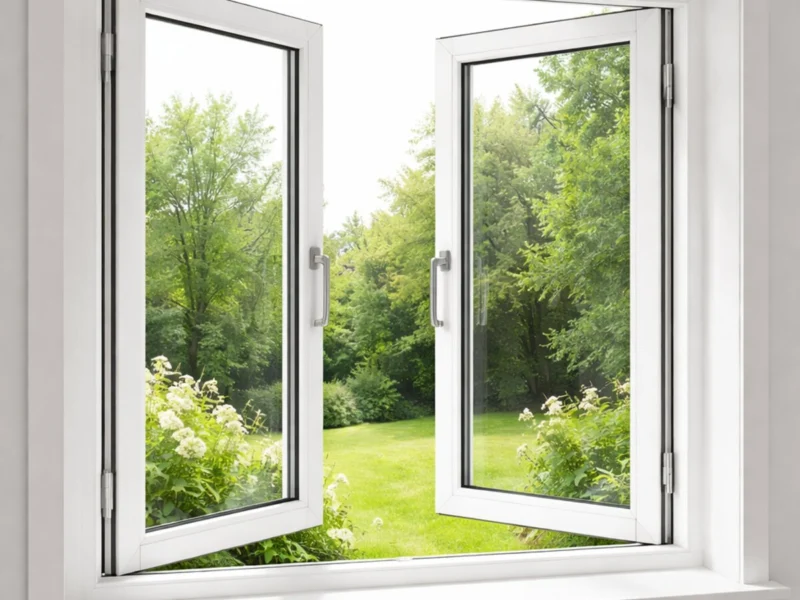
A flush casement window has an opening sash that sits level with the outside face of the surrounding frame when closed. It creates a flatter external appearance than a typical projecting casement sash. Flush describes that relationship between the sash and frame; it does not, by itself, identify the material, glazing specification or energy performance.
If you like the clean lines of traditional timber windows but are comparing modern replacements, you may have come across the terms flush casement, flush sash and flush fit. They describe a design detail that is easiest to understand by looking at the window from outside.
How do flush and standard casement windows differ?
The sash is the framed part of the window that opens. On a flush design, its outer face lines up with the surrounding frame when shut. On many standard casements, the opening sash projects beyond the frame face.
Both can use familiar side- or top-hung opening arrangements. Flush does not mean the whole window is flat, frameless or without visible joints. Handles, glazing bars, cills, frame joints and the proportions of fixed and opening sections still affect the finished appearance.
| Term | What it describes |
|---|---|
| Flush casement / flush sash | A casement design with the opening sash aligned with the outer frame face. |
| Standard projecting casement | A casement where the opening sash stands proud of the surrounding frame. |
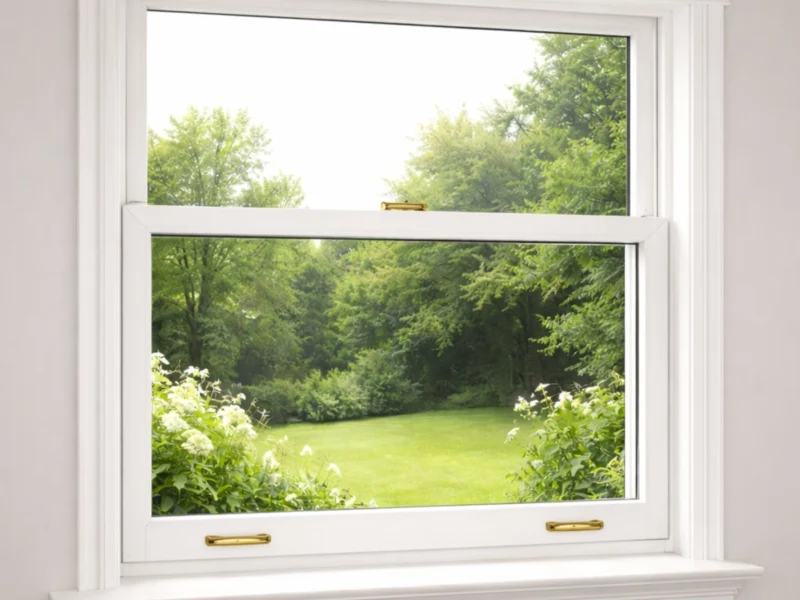
| Sliding sash window | A different opening style, usually with sections sliding vertically. |
| uPVC, aluminium or timber | The frame material, which is a separate choice from the flush appearance. |
A flush sash casement is not the same as a vertical sliding sash window. If you are asking for a quotation, a photograph of the look and a note about how you want it to open help avoid that confusion.
Will flush casement windows suit my house?
They can suit both traditional and contemporary homes, but the overall design matters more than the word flush. Compare the window with the whole elevation, not just a cropped product photograph.
- Proportions: keep the relationship between the window width, height and surrounding wall in mind.
- Opening layout: agree which sections are fixed and which open.
- Frame lines: look at visible frame widths, joints and meeting points.
- Colour and texture: compare physical samples where possible, including the inside finish.
- Decorative detail: decide whether glazing bars suit the building rather than adding them by default.
In a listed building, conservation area or property with planning restrictions, a timber-style appearance does not automatically make a replacement acceptable. Check the requirements for your property before ordering, including any landlord or management-company approval.
What do flush windows look like on a real Pristine project?
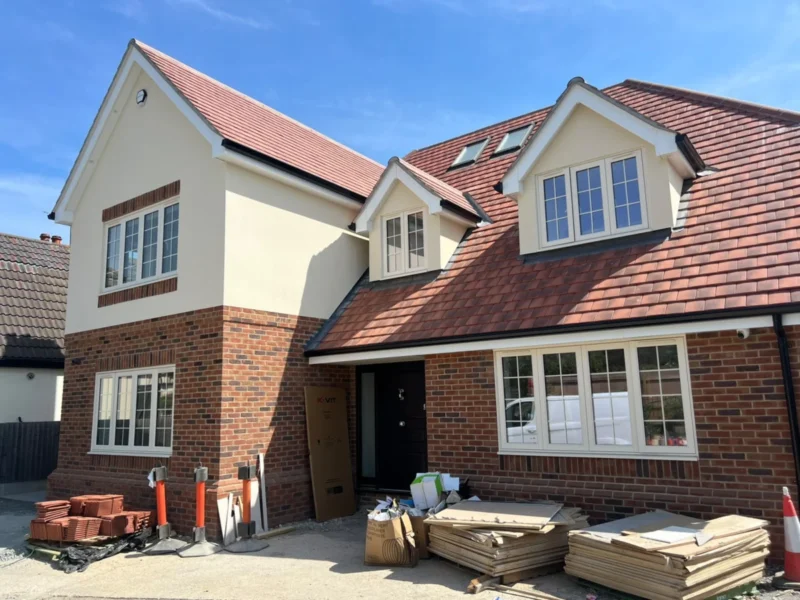
Our Ramsden Heath installation included 21 clotted-cream flush-sash uPVC windows using the VEKA profile system. Different opening sizes were coordinated across the house as part of a wider window and door package.
The project is a useful example of colour, frame layout and glazing bars working together. It is not a template every house needs to copy. The appropriate system, opening layout and finish should be agreed around your own property.
Our uPVC window page explains the profile and specification choices we discuss. If the material is still undecided, read our uPVC, aluminium and timber comparison.
Are flush casement windows more energy efficient?
Not simply because they are flush. Thermal performance depends on the window system, glass, spacers, seals and installation. Compare documented whole-window U-values or the applicable Window Energy Rating for the proposed specification.
A lower whole-window U-value means less heat passes through that window. Make sure the figure includes the frame and is not just the value for the glass. The glazing options and results available depend on the chosen system.
The same approach applies to security and weather resistance: ask for evidence relevant to the complete product. A design that looks traditional can contain modern hardware, but appearance alone does not prove a performance level.
If you are weighing an extra pane of glass, our double versus triple glazing guide explains what to compare.
Do flush windows cost more than ordinary casements?
They can, but the comparison needs to use matched specifications. The profile system, manufacturing detail, size, opening sections, colour, glazing and installation can all affect the price. A flush window in one range is not directly comparable with a different-sized standard casement in another.
Ask for alternatives for the same openings and identify exactly what changes. If your main goal is the flatter external appearance, you can then see what you would pay for that design choice rather than attributing every difference in the quote to flush styling.
Our uPVC window cost guide gives a starting point for budgeting. It is not a dedicated flush-window price list; the final specification and fitted quotation need to be confirmed for your home.
What should I confirm before ordering?
- The exact system and the external appearance of both fixed and opening sections.
- The opening layout, handle positions and ventilation arrangements for each room.
- The finish on both faces, frame joints, glazing bars, cills and trims.
- The glass specification and documented whole-window performance.
- The fitting, removal, finishing work, warranty terms and total price.
Where you are replacing only some windows, compare the proposed design with the ones that will remain. Small differences in frame width, colour or bar layout can be more noticeable when old and new sit side by side.
Keep the agreed schedule with your quotation. Our replacement-window quotation checklist helps you record those details clearly.
Common questions
Are flush sash windows the same as sliding sash windows?
No. Flush sash usually describes a casement whose opening sash sits level with the outside frame face. A vertical sliding sash window opens by sliding sections up or down. Confirm both the appearance and opening method when requesting a quote.
Can flush casement windows be made from uPVC?
Yes. Suitable uPVC systems can provide a flush casement appearance. The material and named system should be stated in the quotation, together with the finish, opening layout and glazing.
Do flush casement windows need less maintenance?
Flush describes the design, not a maintenance guarantee. Care depends on the material, coating, seals and hardware. Follow the instructions for the supplied system and keep drainage and moving parts maintained as directed.
Are flush casement windows automatically approved in conservation areas?
No. A traditional appearance does not guarantee approval. Restrictions depend on the property and the proposed work. Establish the local planning, listed-building and any ownership requirements before ordering.
Want to see whether a flush design suits your home?
Tell our Wickford team your postcode, which windows you want to change and the look you prefer. Mention a photograph from our gallery if it helps explain your idea. We can discuss suitable systems and the next survey step.